AI and Employment: Understanding the New Frontiers of Automation
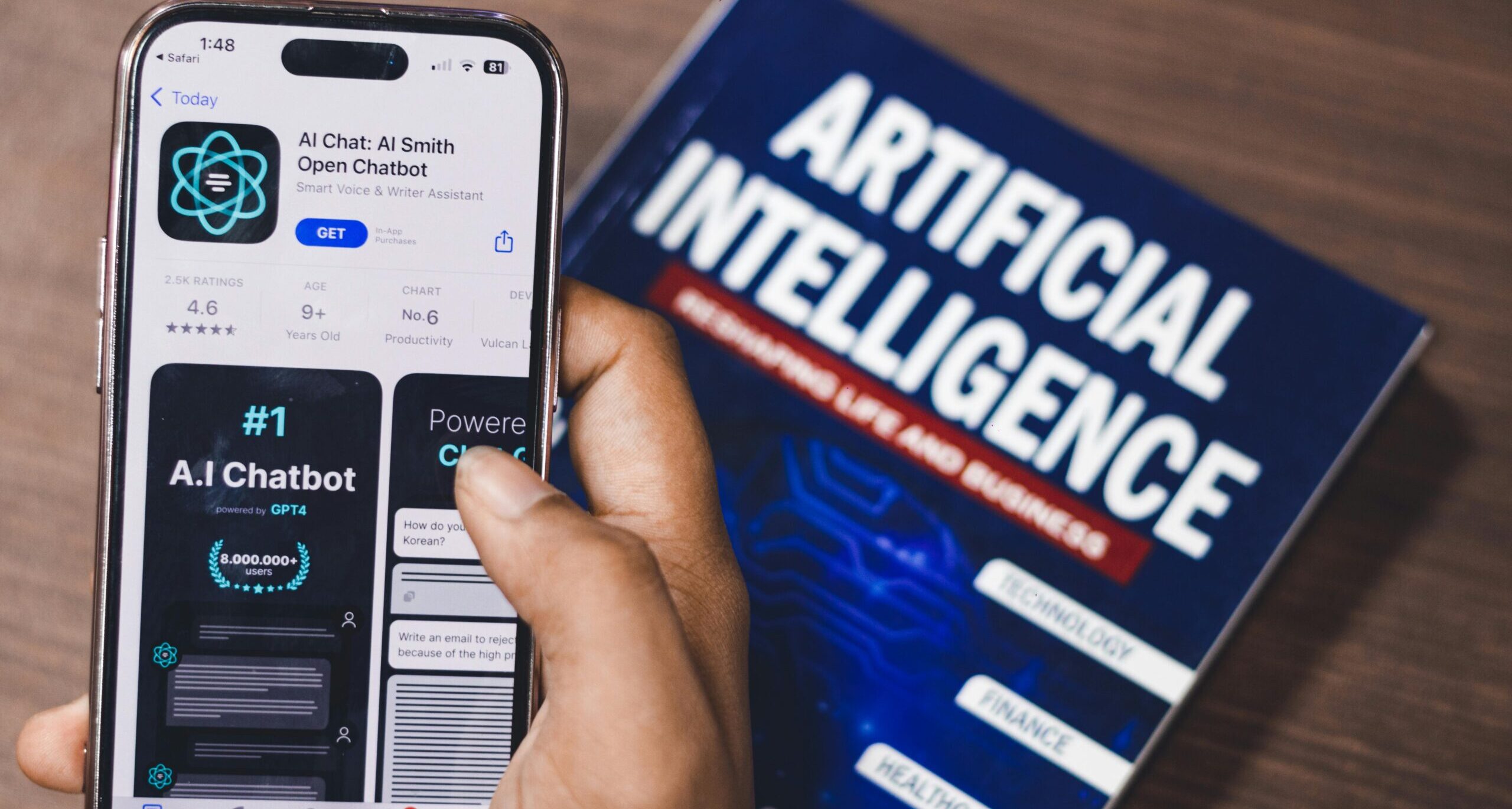
More than three years after the launch of ChatGPT, the real impact of artificial intelligence on jobs is still not fully visible in big-picture data. But look closer, and the shift is already underway-especially in entry-level roles and sectors that are more vulnerable to change.
A new joint study by Coface and the Observatory of Threatened and Emerging Jobs takes a deeper look at how AI is reshaping the way we work. What stands out is a clear shift- automation is no longer limited to repetitive or manual work. Instead, it is beginning to touch cognitive, skilled, and even creative tasks.
A More Detailed Way to Understand Job Risk
The study moves beyond general assumptions and breaks down 923 professions into smaller tasks and actions. This allows for a more realistic understanding of where automation may actually step in.
Rather than predicting job losses, the focus is on exposure – how likely certain tasks are to be automated as AI evolves. It also looks ahead, mapping how this could change across different stages of AI development, instead of offering just a snapshot in time.
Which Jobs Are Most Affected?
One of the biggest takeaways is that AI is changing the rules. Unlike past technologies, it is not just replacing routine work-it is stepping into areas that require thinking, analysis, and decision-making.
Roles in engineering, IT, finance, law, and even creative industries are among the most exposed. In fact, about one in eight professions could see over 30% of their tasks automated-a level that signals significant transformation rather than complete replacement.
On the other hand, jobs that rely heavily on physical work or human interaction-like construction, maintenance, hospitality, and care roles-remain less affected for now.
Not All Countries Will Experience This Equally
The impact of AI varies widely across countries. Economies that are more focused on knowledge-based and service industries tend to be more exposed. For example, exposure ranges from around 12% of work content in some countries to nearly 20% in others.
In the region, countries like the United Arab Emirates and Saudi Arabia are actively investing in AI infrastructure-from data centres to advanced computing capabilities – positioning themselves as future global AI hubs.
Beyond Jobs: Bigger Questions Ahead
The conversation doesn’t stop at employment. As AI begins to take on more skilled tasks, it could shift how value is distributed across economies-potentially moving more towards capital than labour.
It also raises important questions about education. If some traditionally “high-skill” tasks become automated, qualifications alone may not be enough. Skills like judgement, adaptability, and the ability to work alongside AI could become more valuable.
At the same time, the growing dependence on AI technologies-often controlled by a limited number of companies and countries-introduces new global dependencies and risks.
Mohamad Jomaa, CEO and Country Manager for GCC and Egypt at Coface said: “The UAE and Saudi Arabia are moving decisively to position themselves as global AI and compute hubs. Commitments measured in the tens of billions of dollars including multigigawatt data center campuses, advanced GPU capacity, and national AI platforms. Such investments signal a clear understanding that AI competitiveness starts with infrastructure. These are not pilot initiatives; they are longterm, sovereignlevel investments designed to anchor economic diversification and global relevance in a datadriven world.”

A Shift That’s Already in Motion
While the full impact of AI is still unfolding, one thing is clear-it is not operating on the edges anymore. It is moving into core, high-value areas of work that were once considered secure.
This doesn’t necessarily mean jobs will disappear overnight, but it does signal a deeper transformation in how work is structured, valued, and experienced. And that shift is already quietly shaping the future of employment.
AI in jobs, artificial intelligence impact on employment, AI automation jobs, AI and workforce trends, emerging jobs AI, AI disruption workplace, UAE tech innovation, AI and business transformation, Middle East tech growth, UAE Lifestyle, UAE latest news, Abu Dhabi lifestyle news, Abu Dhabi Blog