5 Trends Set to Shape Saudi Arabia’s Events and Knowledge Economy in 2027
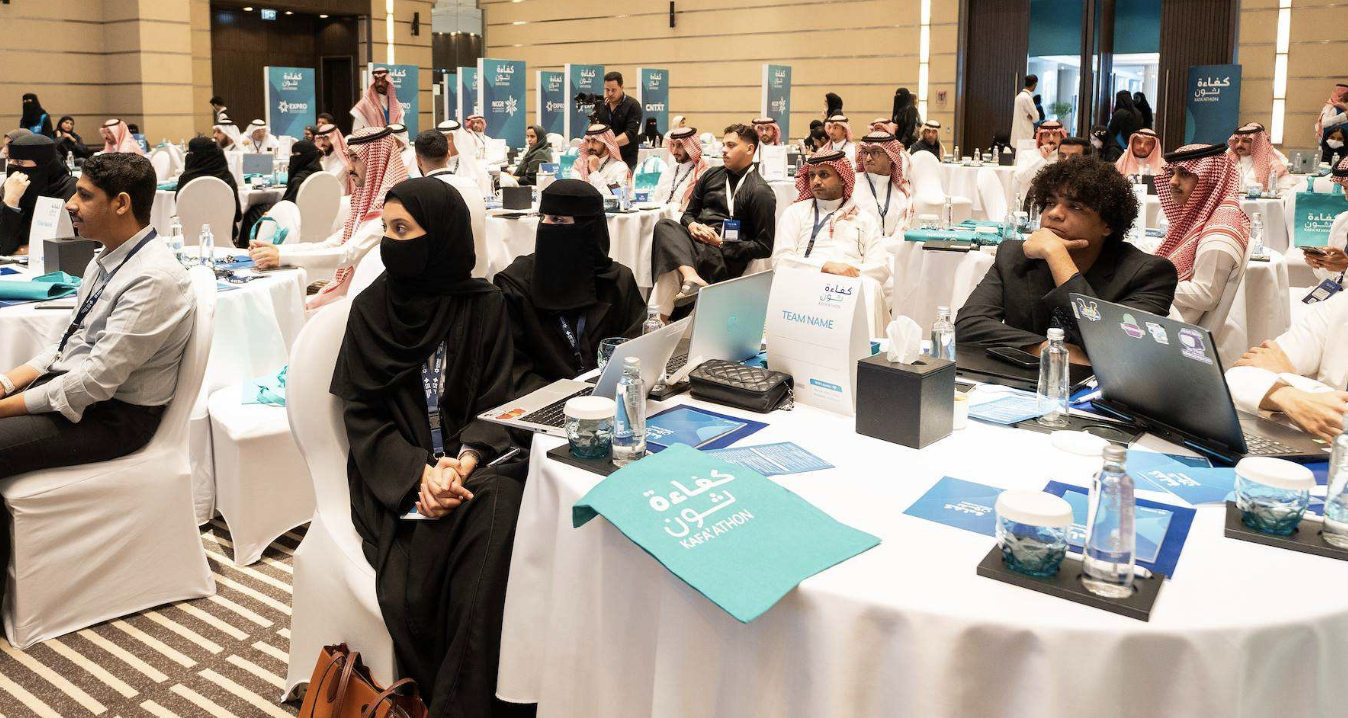
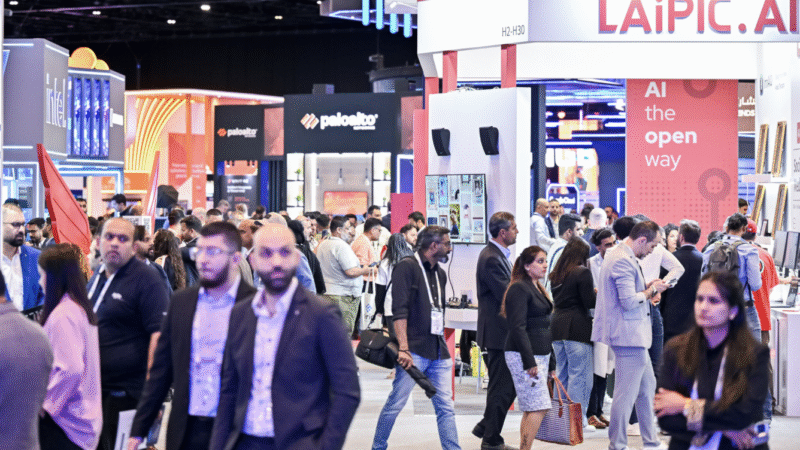
Saudi Arabia’s events industry has expanded rapidly in recent years, bringing global conferences, investment forums, cultural events and entrepreneurship platforms to cities across the Kingdom. But in 2027, the conversation could increasingly shift from how big an event is to what happens because of it.
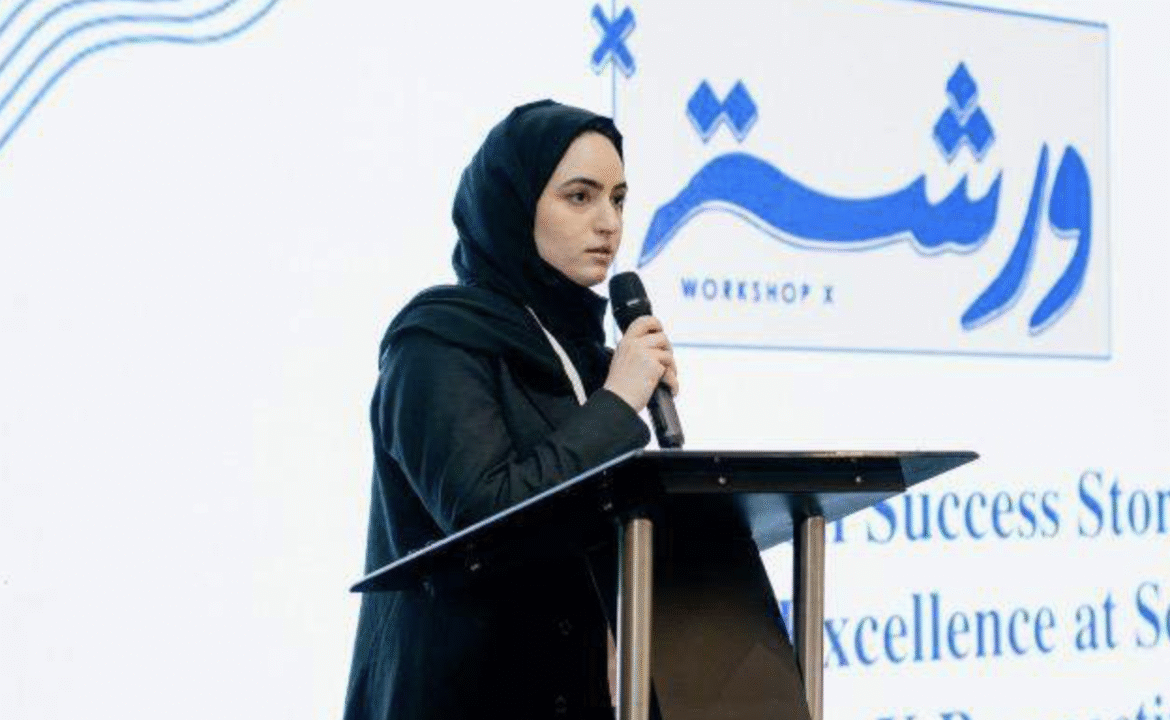
Saudi knowledge partner Workshop X has released its 2027 Events and Knowledge Economy Outlook, identifying five trends expected to influence how conferences, forums and other business events are planned and measured across the Kingdom.
The central theme? Events are becoming less about a few days inside a venue and more about creating long-term platforms for knowledge, professional communities and meaningful connections.
Here are the five trends to watch.
1. Events Will Become Year-Round Knowledge Platforms
The traditional model of promoting an event, hosting it and moving on until the following year is changing.
Workshop X expects major forums to increasingly operate as year-round knowledge platforms, where conversations start before the event and continue well after delegates leave.
Think reports, interviews, digital content, community discussions and follow-up initiatives that keep ideas circulating throughout the year.
For organisers, this also means the value of an event can extend considerably beyond its physical venue and scheduled dates.
2. Impact Will Matter More Than Attendance
Big attendance figures have traditionally been one of the easiest ways to demonstrate an event’s success. But numbers alone don’t necessarily tell you what an audience gained from attending.
In 2027, organisers are expected to pay closer attention to quality of participation, knowledge exchanged, connections created and actions generated after an event.
This requires defining the intended outcome much earlier in the planning process.
Instead of simply asking how many people attended, organisers may increasingly ask: Did attendees make valuable connections? Did the event generate new conversations? Did participants learn something they can apply? And did those conversations continue afterwards?
It represents an important shift from measuring reach to measuring impact.
3. Content Strategy Will Start Before Event Planning
Content is also expected to play a much bigger strategic role.
Rather than booking a venue, confirming speakers and building an agenda before thinking about the wider story, Workshop X predicts more organisers will begin with three questions: What is the purpose? Who is the audience? And what does the event actually need to communicate?
Once that central narrative is established, speakers, sessions, marketing and audience experiences can be designed around it.
A content-first approach also makes it easier to transform conversations from the event into reports, social content, interviews, videos and future programming.
In other words, the event itself becomes one part of a much larger content ecosystem.
4. Event Experiences Will Become More Personalised
With more conferences, forums and professional events competing for attention, audiences can afford to become selective about where they spend their time.
That makes relevance increasingly important.
Alongside traditional keynotes and panel discussions, expect more smaller conversations, interactive formats, facilitated networking and personalised content journeys based on an attendee’s professional interests.
Technology and AI could play a growing role here, helping organisers understand audience preferences and recommend relevant sessions, people or content.
The important distinction, according to the outlook, is using technology because it improves the experience rather than simply because it is new.
5. Saudi Talent Will Take More Strategic Roles
Saudi Arabia’s growing events ecosystem is also creating opportunities beyond traditional event production roles.
Workshop X expects rising demand for Saudi professionals specialising in areas such as content strategy, experience design, stakeholder management, technology, production, project strategy and impact measurement.
As local professionals gain experience delivering increasingly complex international events, they are also expected to take greater responsibility for shaping narratives and leading multidisciplinary teams.
This could become an important long-term outcome of Saudi Arabia’s investment in events: creating a local workforce capable not only of delivering large-scale experiences, but strategically designing them.
From Big Events to Lasting Impact
Saudi Arabia has already demonstrated its ability to attract global leaders, investors, entrepreneurs and decision-makers through major international forums and conferences.
The next stage could be less about adding more events to the calendar and more about extracting greater value from each one.
Workshop X recommends organisations planning events in 2027 begin with a clearly defined purpose and intended audience outcome, followed by a strategy for maintaining engagement after the physical event concludes.
If these predictions play out, the most successful Saudi events of 2027 won’t necessarily be remembered simply for their size or speaker line-ups.
They’ll be the ones whose conversations, connections and ideas continue long after the stage lights go off.
Saudi Arabia events 2027, conferences Saudi Arabia, Riyadh events, Saudi business events, MICE Saudi Arabia, Saudi Arabia tourism, Middle East events industry