5 Hidden Ramadan Experiences in Dubai Locals Love
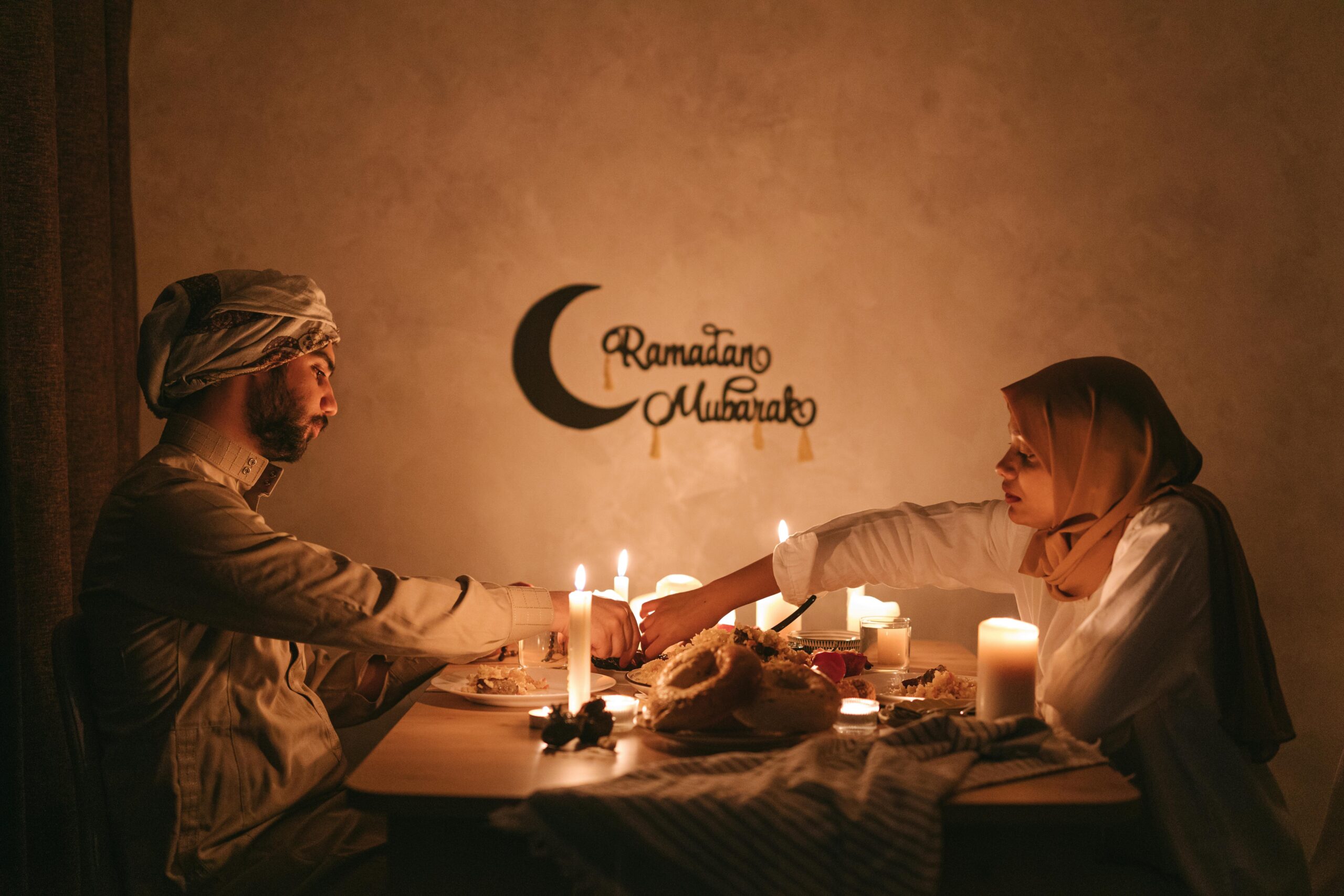
While Dubai’s Ramadan tents, grand Iftars, and citywide events often take the spotlight, the true charm of Ramadan in the city is found in quieter traditions that locals deeply cherish. These experiences capture the spirit of togetherness, reflection, and community that defines the holy month.
If you want to experience Ramadan in Dubai the way residents do, here are five beautiful hidden Ramadan moments that locals love.
1. Walking Through Old Dubai After Iftar
One of the most peaceful Ramadan traditions is simply walking through the historic districts after Iftar.
Areas like Al Seef, Al Fahidi Historical District, and the Deira Souks take on a magical atmosphere in the evenings. Lantern lights glow across heritage buildings, cafés slowly fill up with families enjoying karak and sweets, and the air carries the scent of oud and freshly baked bread.
Many residents prefer these quiet post-Iftar strolls over busier entertainment venues. Walking along the Dubai Creek promenade while abra boats move gently across the water is one of the most authentic Ramadan experiences in the city.
2. Late-Night Karak and Luqaimat Stops
Ramadan nights in Dubai often stretch into the early hours, and one of the most beloved traditions is stopping for late-night karak chai and traditional Emirati desserts.
Small cafés and neighbourhood cafeterias become lively gathering spots after Taraweeh prayers. Friends meet for karak tea, luqaimat (sweet dumplings with date syrup), and simple conversations that often continue past midnight.
Some of the best places for these spontaneous Ramadan moments are small local cafés in Satwa, Karama, Al Wasl, and Jumeirah — places that may not appear on tourist lists but are full of local character.
3. Discovering Ramadan Night Markets in Heritage Areas
Beyond the large Ramadan festivals, locals often gravitate towards smaller heritage markets that appear during the month.
Places like Al Seef and Deira host charming Ramadan night markets filled with lantern décor, small artisan stalls, traditional sweets, henna artists, and local crafts. These markets feel far more intimate than big city festivals and are perfect for slow evening browsing.
Many families visit these markets after Iftar simply to enjoy the atmosphere, listen to live oud music, and let children explore cultural activities.
4. Suhoor by the Water
While Iftar is the main meal of Ramadan, many residents believe the real magic happens during Suhoor — the late-night meal before dawn.
Instead of formal dining experiences, locals often gather for relaxed Suhoor settings by the water. Waterfront promenades in places like Dubai Creek Harbour, Jumeirah beaches, and Bluewaters Island become peaceful gathering spots where people sit outdoors enjoying light meals, tea, and quiet conversations under the night sky.
These late-night gatherings feel deeply reflective and embody the slower rhythm that Ramadan brings to the city.
5. Experiencing the Cannon Firing at Sunset
One of the oldest Ramadan traditions in the UAE is the Iftar cannon firing, which signals the moment to break the fast at sunset.
Cannons are fired at several heritage locations across Dubai, including Expo City Dubai, Al Seef, and other traditional districts. Watching this moment in person is a powerful cultural experience that connects visitors with centuries-old Ramadan customs.
Families and visitors often gather before sunset to witness the firing, making it a meaningful way to experience Ramadan traditions firsthand.
Experiencing Ramadan Beyond the Big Events
Dubai offers many grand Ramadan experiences, but some of the most memorable moments come from simple traditions — evening walks, shared tea, heritage markets, and quiet waterfront Suhoor gatherings.
For locals, these small rituals are what make Ramadan feel truly special.
If you’re visiting Dubai during the holy month, slowing down and embracing these experiences will give you a deeper glimpse into the city’s cultural heart.