Sun Protection Explained: What SPF, UVA and UVB Really Mean
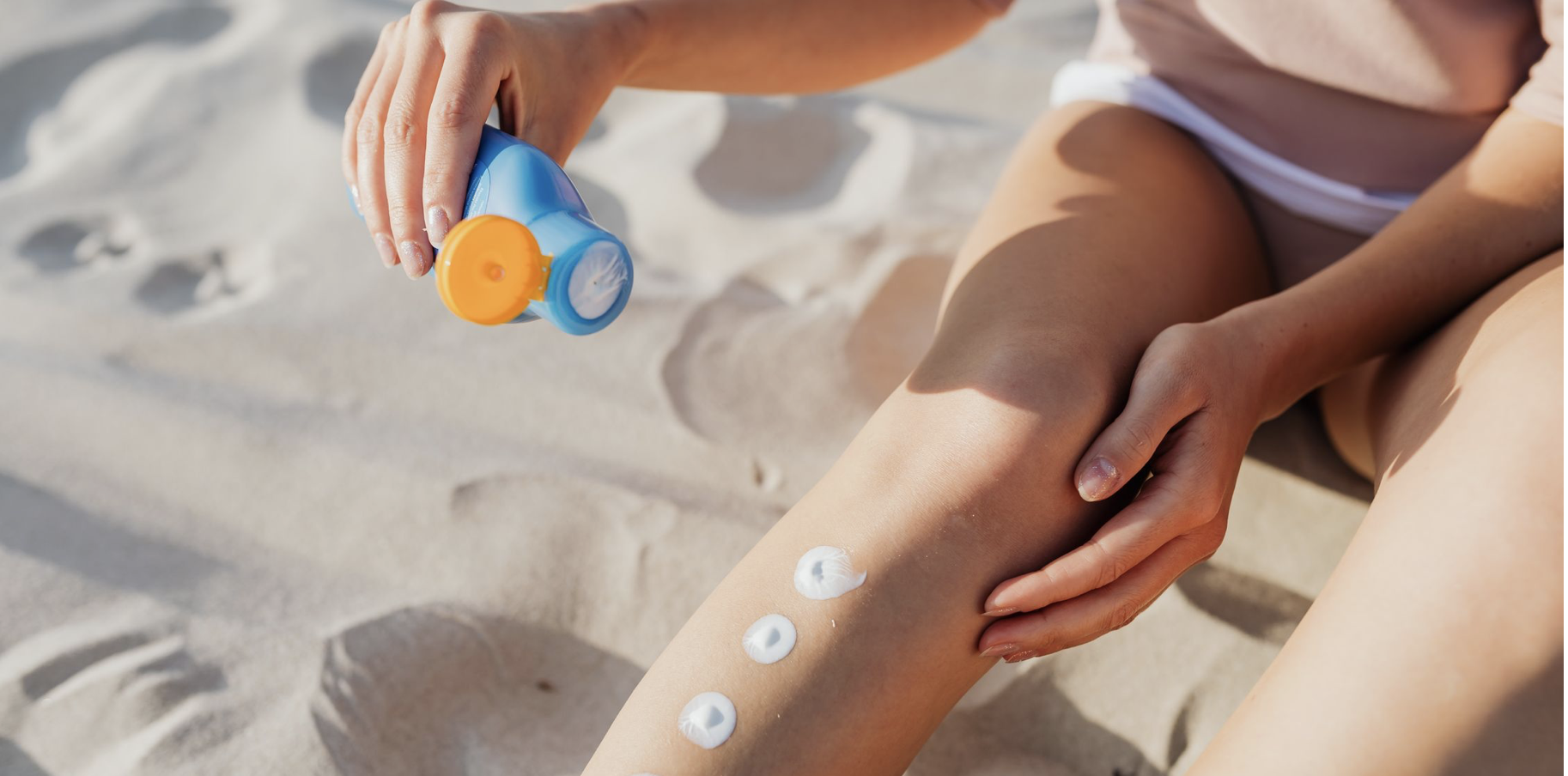
When summer arrives in the GCC, most of us remember to stay hydrated and avoid the midday heat. But one of the biggest seasonal health risks can’t be seen at all. Across the UAE, the UV Index frequently reaches between 11 and 13+, a level classified by the World Health Organization (WHO) as “Extreme.”
At these levels, unprotected skin can begin sustaining damage within minutes. Whether you’re walking to your car, sitting by a window or spending time outdoors, daily UV exposure adds up over time. Understanding how sunscreen works-and choosing the right one-can make a significant difference to your long-term skin health.
UVA vs UVB: What’s the Difference?
The sun emits different types of ultraviolet radiation, but the two that matter most for our skin are UVA and UVB.
UVB rays primarily affect the skin’s surface, causing sunburn and directly damaging DNA, making them a major contributor to non-melanoma skin cancers.
UVA rays, on the other hand, penetrate much deeper into the skin where collagen and elastin are found. They accelerate premature ageing, contribute to wrinkles and pigmentation, suppress the skin’s immune response and play a significant role in melanoma development. Unlike UVB, UVA can also pass through window glass, meaning exposure continues even while driving or sitting indoors near windows.
According to Dr. Paula Fakhre, Cosmetic Dermatologist and graduate of St. George’s University, these everyday moments of exposure often go unnoticed.
“People think sun protection is for the beach, but UV exposure is something we live with every single day.”
Sunscreen vs Sunblock
Although often used interchangeably, sunscreen and sunblock protect the skin in different ways.
Chemical sunscreens absorb UV rays before converting them into heat that is released from the skin. They are lightweight, invisible on application and ideal for daily wear.
Mineral sunblocks, made with ingredients such as zinc oxide or titanium dioxide, sit on the skin’s surface and physically reflect UV rays away. They begin working immediately after application and are often recommended for sensitive, acne-prone or rosacea-prone skin.
Today, many dermatologists recommend hybrid formulas that combine both chemical and mineral filters for broader protection.
Does SPF 50 Really Matter?
One of the biggest misconceptions about sunscreen is what SPF actually measures.
SPF only indicates protection against UVB rays, not UVA.
- SPF 30 blocks approximately 97% of UVB rays.
- SPF 50 blocks around 98%.
While the difference appears small, higher SPF can provide additional protection for people with fair skin or a history of skin cancer.
Equally important is choosing a product labelled Broad Spectrum, ensuring it protects against both UVA and UVB. If available, look for a PA rating or a recognised UVA protection seal.
Applying Sunscreen Correctly
Even the best sunscreen won’t provide its advertised protection if it’s not applied properly.
Dermatologists recommend using the two-finger rule for the face and neck, while an average adult requires approximately 30-35ml to cover the entire body.
Sunscreen should also be reapplied every two hours, especially after sweating, swimming or towel drying, as no sunscreen remains fully effective throughout the day.
As UV Awareness Month highlights the importance of sun safety, developing simple daily habits-wearing broad-spectrum sunscreen, applying enough product and remembering to reapply—can significantly reduce the long-term risk of premature skin ageing, pigmentation and skin cancer.
sun protection UAE, SPF explained, UVA vs UVB, sunscreen guide UAE, broad spectrum sunscreen, sunscreen vs sunblock, UV index UAE, skincare UAE, dermatologist advice, UV awareness, skin cancer prevention, anti-ageing skincare, sunscreen tips, summer skincare UAE, healthy skin UAE, Dubai lifestyle blog, Abu Dhabi lifestyle blog, UAE lifestyle blog, skincare education, UV safety GCC